


The Origins of the Division in Hebron
The division of Hebron into H1 and H2 traces back to a tragic event in 1994, where a radical Jewish physician from America carried out a massacre of Muslims during Ramadan at the Ibrahimi Mosque in Hebron. This led to the city being split, with H1 (80% of the city) falling under Palestinian Authority control, and H2 (the remaining 20%) under Israeli control. The initial intention was to prevent further violence, but subsequent policies, such as closing off Shuhada Street and sealing nearby stores, have raised more issues than solutions.
While the physical division between H1 and H2 may not be visibly distinct when walking around Hebron, the disparities in living conditions and treatment are evident. Residents of H2 face increased harassment, delays, and a lack of essential services compared to those in H1, highlighting the complexities and challenges of the divided city.
A Glimpse into Life on Both Sides
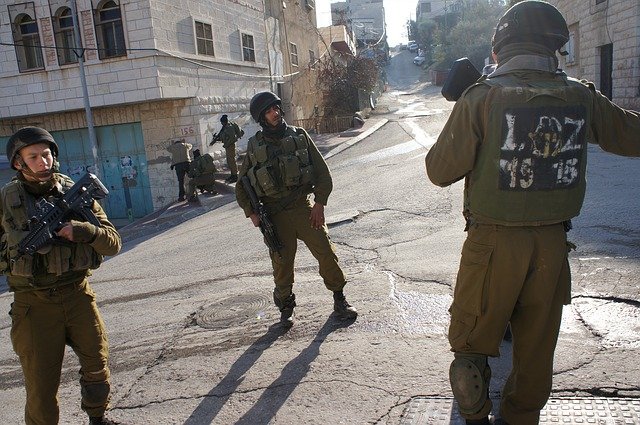
In H1, the atmosphere resembles that of a typical modern Palestinian city, with bustling streets and commercial establishments. However, as one ventures into the Old City, the presence of fences, barbed wire, and Israeli military personnel becomes more pronounced, emphasizing the proximity of the occupation in Hebron.
The Impact of Israeli Military Presence
The Israeli military presence in H2 has far-reaching consequences, with residents facing checkpoints even within their own area. Children often encounter difficulties, including harassment, on their way to school, reflecting the daily challenges imposed by the occupation.
In specific areas like Tel Rumeida, Palestinian families have faced threats of eviction due to politically motivated projects, disrupting their lives and sense of security. The delayed response of emergency services in H2 has resulted in preventable deaths, underscoring the urgent need for improved access and support.
Navigating the Old City of Hebron
The Old City of Hebron, near prominent settlements, is a hotspot for settler harassment, creating a hostile environment for Palestinian residents. The architectural barriers and aggressive actions have dampened the once vibrant atmosphere of the historic souks, leading to a loss of cultural heritage and economic vitality.
Furthermore, the influx of low-level criminals from H1 to H2, where jurisdictional issues prevail, poses additional challenges for the community. The complexities of daily life in Hebron reflect a struggle for normalcy amidst ongoing tensions and restrictions.
Despite the adversities, many Palestinians in H2 persevere as an act of resistance, while others simply seek a peaceful existence. The longing for a unified Hebron, free from division and occupation, remains a shared hope among its inhabitants, echoing a desire for a return to a harmonious way of life.
How do I Obtain More Information?
Please email us at info@gopalestine.ps. In the email body, feel free to ask any questions you have. We will respond to you promptly.
Chat With Us!
WhatsApp or Signal: +972-598172071
Go Tours in Palestine offers guided cultural and historical tours across the West Bank, including cities like Hebron, Bethlehem, Jerusalem, and Ramallah. Led by local experts, these tours provide authentic insights into Palestinian life, heritage, and traditions.
Follow Us on Social Media:
Instagram: @go_palestine
Facebook: Go Palestine Hebron
YouTube: Go Palestine Channel